Great Western
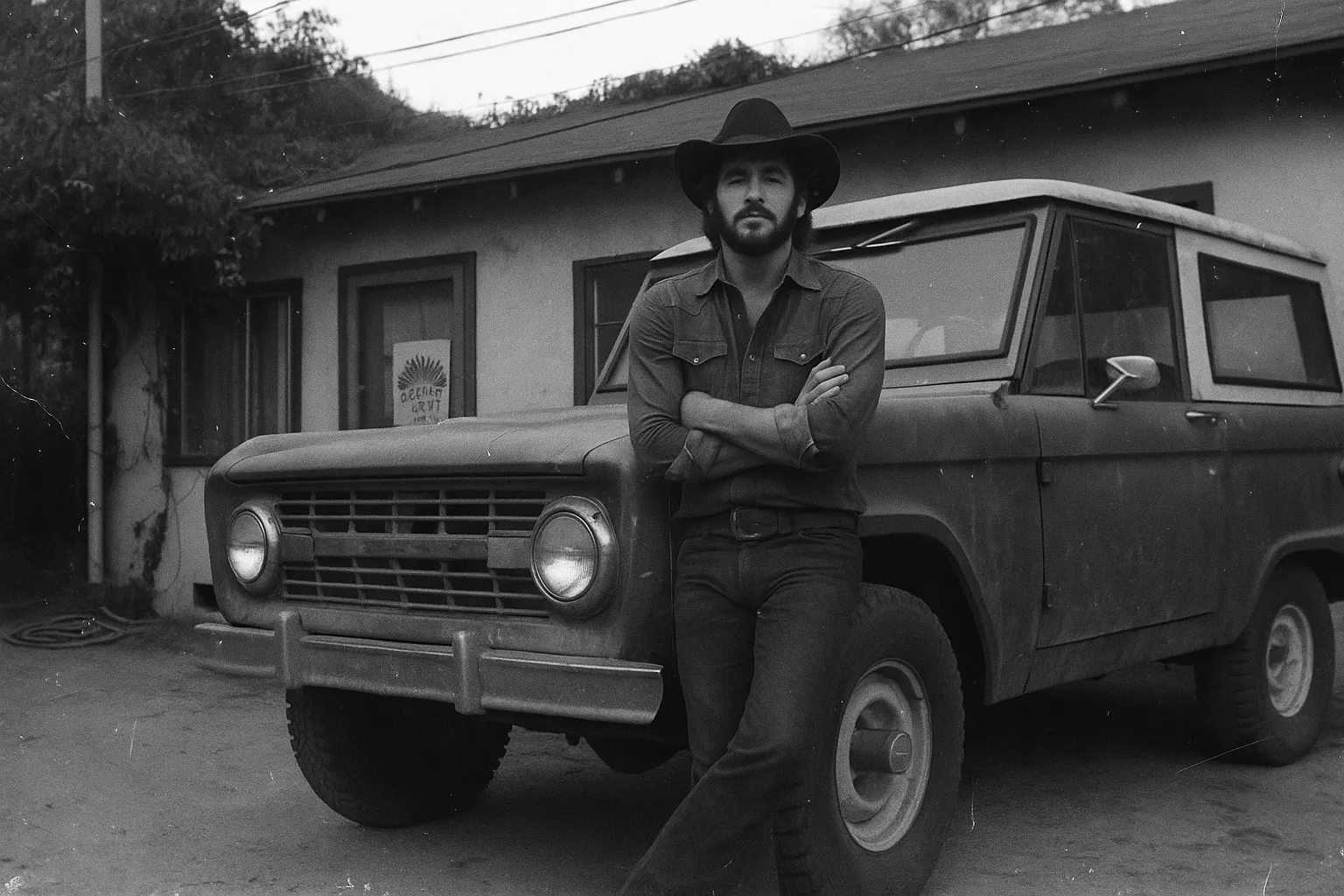
The Eddie Lamont & Great Western years (1973-1977): when a Vegas cowboy and thirteen sonic revolutionaries brought Laurel Canyon sound and Las Vegas vibes to the Great Western Wrestling Alliance (GWA).
Band of the Broken Frontier
Discovered in a smoke-choked roadhouse in 1973, Great Western were thirteen sonic revolutionaries led by the "Professor" Leon Maxwell on a modded Hammond B3. They did more than soundtrack the Great Western Alliance—they stitched myth to melody until every storyline throbbed in sync with the snare.
In those early years, the band's frontman was none other than Eddie Lamont—the "Limelight Low-life" himself, fresh from his Sunburst Pavilion residency at the Stardust. Lamont brought Vegas swagger and outlaw charisma to every entrance theme, turning the Great Western Arena into an extension of the Strip's midnight mythology. His cowboy croon and unpredictable stage presence made every show feel like a high-stakes gamble.
After Eddie Lamont departed in 1977 to chase solo stardom and celebrity golf hustles, the band renamed themselves the Great Western Groove Collective. But their sound remained unmistakable—a fusion of funk, gospel, and psychedelia that defined an era.
Ruby "Blue Flame" Johnson could ignite a main event with a single five-octave wail. Santiago "Lightning" Vasquez made the Telecaster crack like desert thunder. When the Brass Outlaws took their first breath, the crowd wept before the bell even rang. This wasn’t accompaniment. It was a ritual, loud enough to redraw the map.
Era of the Groove · 1973—1979
“When the ring shook, the band was the earthquake.”
Six relentless years rewrote the GWA’s Golden Age: the first wrestler-specific themes, live musical storytelling braided into every suplex, percussion that made bleachers rattle like train tracks at midnight. Their anthem "Great Western Groove" still opens broadcasts and slingshots nostalgia straight into the cheap seats.
Every entrance was a ceremony. The Collective matched tempos to rivalries, modulated keys to cue comebacks, and stretched solos until the crowd’s chants fused with feedback. They turned arenas into sanctuaries where violence and reverence shared a single downbeat.
“Great Western Groove,” “Midnight Stampede,” “Professor Maxwell’s Electric Prayer,” “Blue Flame Baptism.”
Great Western didn't just score the fights—they became the fights, humming in every body slam, haunting every silence between bells.
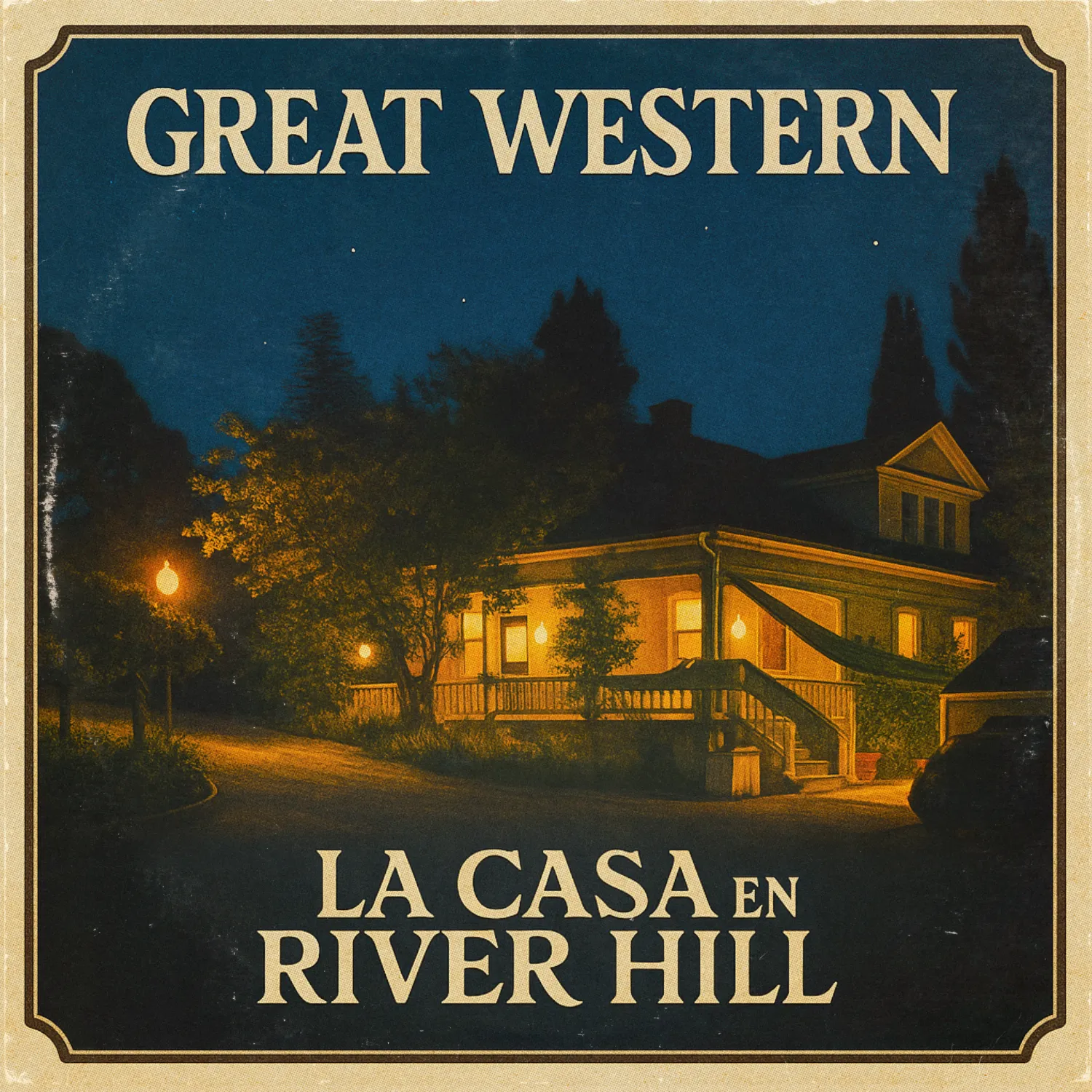
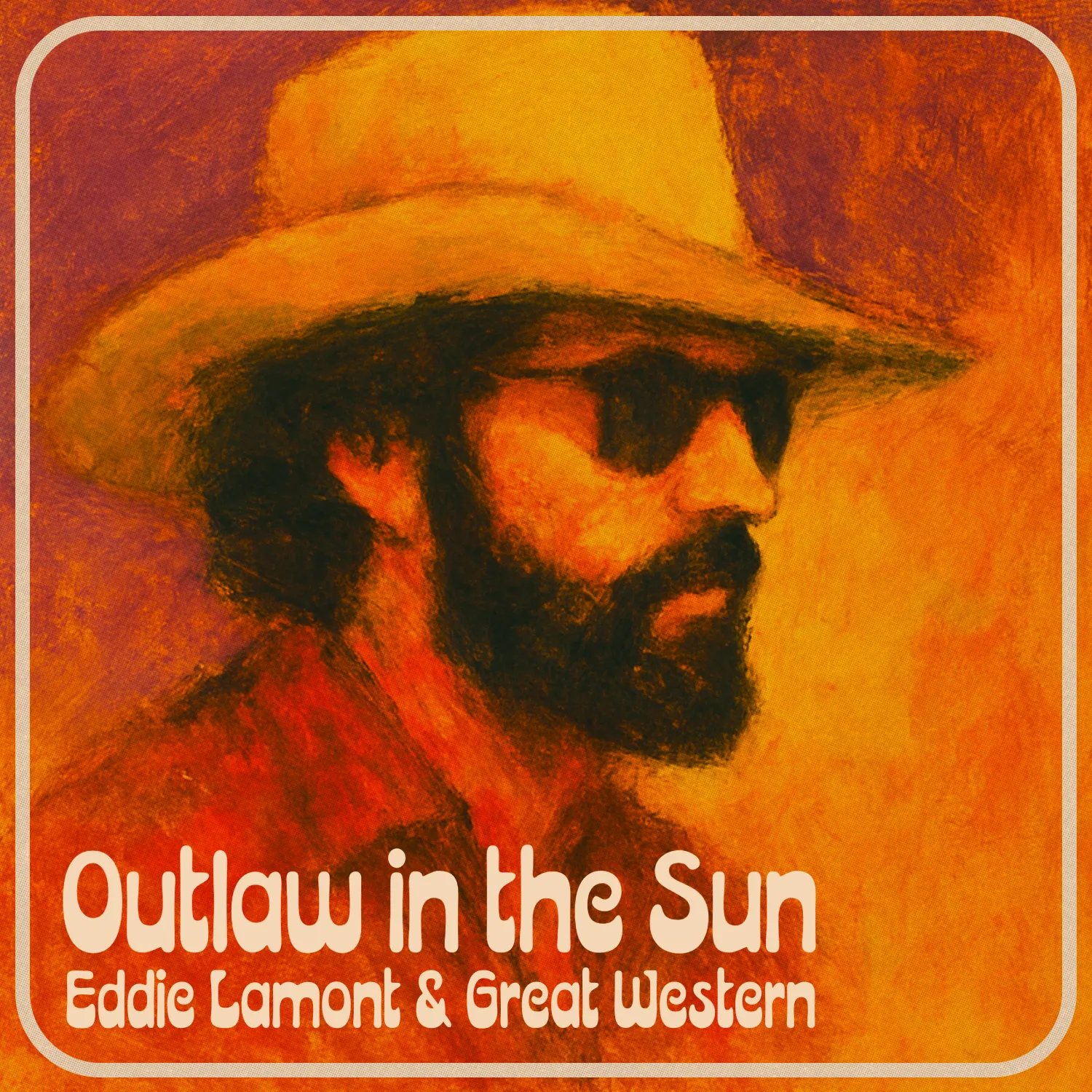
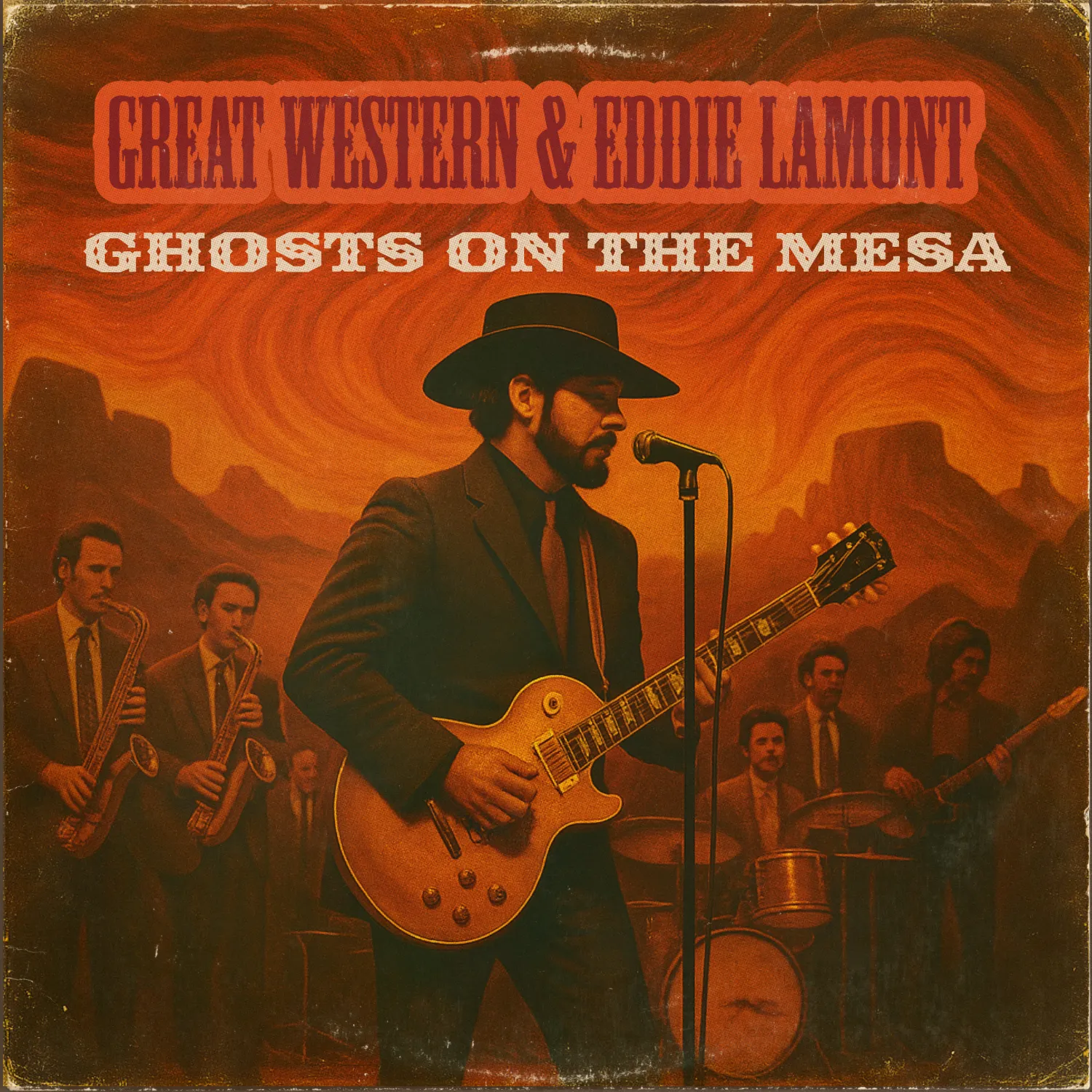
Discography
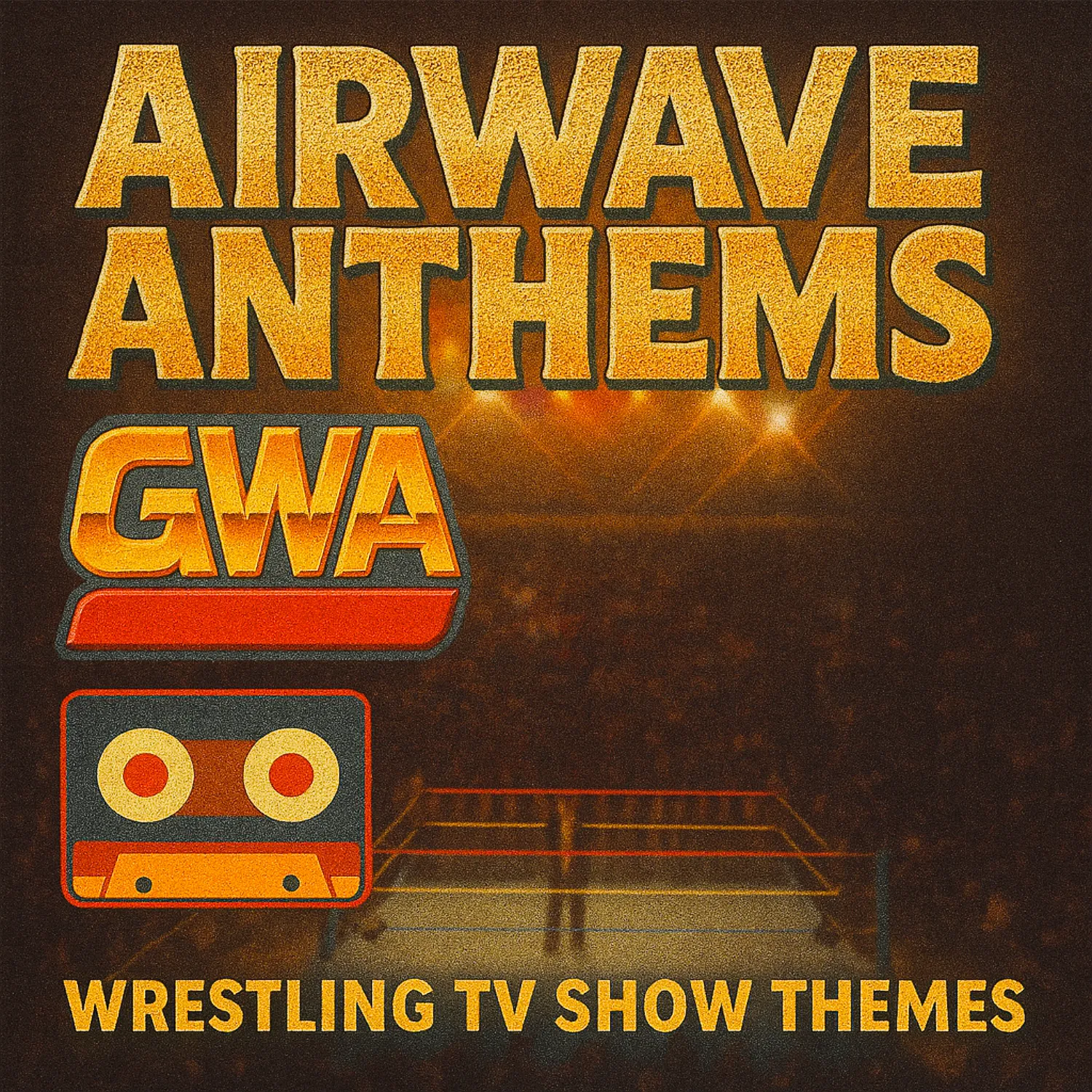
The Sound of the Alliance
Experience Great Western's music in action with this promo for the Great Western Wrestling Alliance—where their sound became the heartbeat of the ring.
Legacy Still Resonates
Their run ended in 1979, but their DNA threads through every Rodeo Reverb act—Mariachi Sleepover’s neon ballads, Eddie Lamont’s canyon gospel, Ranchos Crucifixion’s doom sermons. The Collective proved that storylines and soundscapes ride the same frequency.
Listen close to the reverb tail of any modern entrance theme and you'll hear their ghost chords. Somewhere in the feedback, the crowd still roars for the thirteen who made the arena breathe.